An artist's journal of stories and discovery in painting, traveling and living.
"When dawn spreads its paintbrush on the plain, spilling purple... ," Sons of the Pioneers theme for TV show "Wagon Train." Dawn on the mythic Santa Fe Trail, New Mexico, looking toward Raton from Cimarron. -- Clarkphoto. A curmudgeon artist's musings melding metaphors and journalism, for readers in more than 150 countries.
Watching gentle, large flake snowfall out my window this morning, sipping coffee, thinking of travels past and future, I journeyed in other worlds this month, in the pages of eight books, five of them completed, one sampled, one mostly read, and one underway.
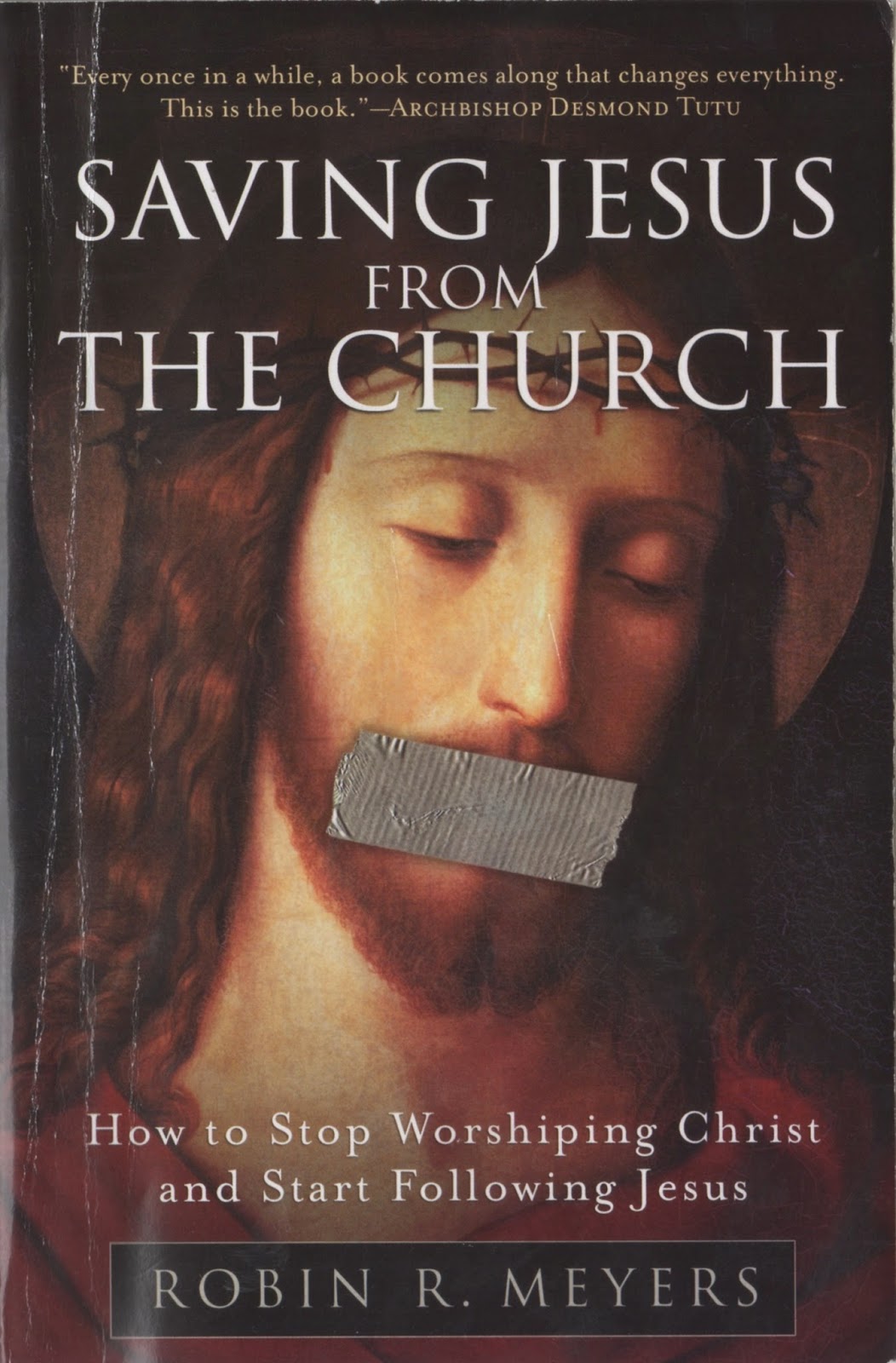
Five of the books came from friend Jeanetta Calhoun Mish's Mongrel Empire Press in Norman, poems, short stories and a fictional novel, all with strong Oklahoma roots and subjects. The other included Longmire creator Craig Johnson's "Wait for Signs," a collection of short stories, purchased from friend Joe Hight's Best of Books in Edmond. The books of poetry were "The Walmart Republic," J.L. Jacobs' Streets as Elsewhere," and Carter Revard's, "From the Extinct Volcano-A Bird of Paradise." "The Long Rifle Season" by James Murray is a bunch of short stories, appropriately titled "Tales," most of them set in southeast Oklahoma, and including a fictional view inside Timothy McVeigh's mind. The fictionalized novel by William Cunningham is "Pretty Boy Floyd." The seventh book is Natalie Goldberg's "Loving Color--Painting, Writing and the Bones of Seeing." Writer-teacher Goldberg lives in Taos, doing what I dream about, and I bought the book thinking it would be about writing. Instead, it is a book about a writer taking up painting, filled with her art and prompting. I found it has a chapter on Cezanne, my favorite artist, which means it's a must read to complete. The eighth book was OKC Mayflower UCC church pastor Robin Meyer's book, "Saving Jesus from the Church," a discussion prompt in our Sunday night "Soul Detox" group. He has lots to say about the difference in institutionalized Christianity and what Jesus taught. Reviews and comments on most of these are coming. The poetry books are the most difficult, as you can see from my previous review of "The Walmart Republic."
Are you real? As I've told you, our "soul detox" group Sunday night, people trying to de-toxify their lives from much of the false religious "Thou Shalts" and "Thou Shalt nots " of modern day divided Christianity, is studying Fr. Richard Rohr's "Falling Upward--a Spirituality for the Two Halves of Life." Sunday we were discussing a chapter on necessary suffering, and this passage hit home to me, including Jesus' words in Matt. 16:25--"Anyone who wants to save his life must lose it." Rohr: "...there is a necessary suffering that cannot be avoided, which Jesus calls "losing our very life, or losing what I and others call the "false self." Your false self is your role, title and personal image that is largely a creation of your own mind and attachments." "It will and must die in exact correlation to how much you want the Real." This reminded me of even more potent "Scripture," though I had the wrong reference, until a friend found it for me: “Real isn't how you are made,' said the Skin Horse. 'It's a thing that happens to you. When a child loves you for a long, long time, not just to play with, but REALLY loves you, then you become Real.'
'Does it hurt?' asked the Rabbit.
'Sometimes,' said the Skin Horse, for he was always truthful. 'When you are Real you don't mind being hurt.'
'Does it happen all at once, like being wound up,' he asked, 'or bit by bit?'
'It doesn't happen all at once,' said the Skin Horse. 'You become. It takes a long time. That's why it doesn't happen often to people who break easily, or have sharp edges, or who have to be carefully kept. Generally, by the time you are Real, most of your hair has been loved off, and your eyes drop out and you get loose in the joints and very shabby. But these things don't matter at all, because once you are Real you can't be ugly, except to people who don't understand.” ― Margery Williams, The Velveteen Rabbit
Place of dreams, The Alchemist, 9 by 10 watercolor, 300# d'Arches
"Dusk was falling as the boy arrived with his herd at an abandoned church. The roof had fallen in long ago, and an enormous sycamore had grown on the spot where the sacristy had once stood. ... "He decided to spend the night there...He swept the floor with his jacket and lay down, using the book he had just finished reading as a pillow.... "It was still dark when he awoke, and, looking up, he could see the stars through the half-destroyed roof." --From the opening of "The Alchemist," by Paulo Coelho I'm reading this again, as part of our soul-detox group Sunday nights...a group about spirituality, not religion...much like the early church I suspect. The boy Santiago goes on a journey of discovery, with dreams and omens and magic and more. I saw this image as I was reading.
I've just finished reading perhaps the most important book in my life, other than...the Bible. That's quite a claim, not one I take lightly, especially to have been influenced by "Leaves of Grass" by Walt Whitman, and "The Man Nobody Knows," by Bruce Barton (1925), about the manly Jesus. And of course there are others, including Joseph Conrad's "Heart of Darkness," but that is more the favorite than most important. I'll admit, my reaction is influenced by three weeks of unexpected illness and mortality, but I started reading it before then, thanks to the "soul-detox" group I'm privileged to be a part of Sunday nights. The increased emotional and physical stress has perhaps intensified my reaction, but this is a book I've needed. I wish I'd found it 15 years ago. But it "means" more now. Here's an except from late in the small book (I've got underlines and marks and stars on almost all 167 pages of text):
"The bottom line of the Gospel is that most of us have to hit some kind of bottom before we even start the real spiritual journey. Up to that point, it is mostly religion. At the bottom, there is little time or interest in being totally practical, efficient, or revenue sharing. You just want to breathe fresh air. The true Gospel is always fresh air and spacious breathing room."
Oh, the book? Written by a Franciscan priest in Albuquerque, Fr. Richard Rohr. "Falling Upward, A Spirituality for the Two Halves of Life." Read it. You don't have to be "Christian" to gain from it. If you are "Christian," it will challenge you, provoke you, make you uncomfortable, awaken you, perhaps anger you. You will be stronger spiritually.
@okieprof talking with Craig Johnson, author of Longmire series, at Full Circle Books. Photo by my old newspaper friend Glen Seeber.
My autographed copy
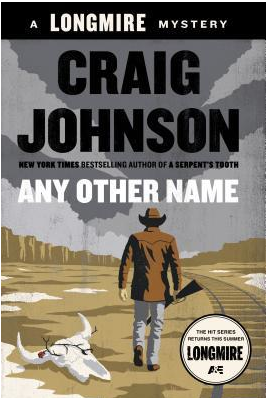
I try to read at least a book a month, but this spring has been slow, but that changed this last week, after a visit to Full Circle Bookstore a week ago to hear Craig Johnson. He's the best-selling author of the Longmire modern Western mystery series which has been a hit on A&E TV. Before reading a little from his latest book about the Wyoming sheriff, "Any Other Name," he told story after humorous story, about living in Wyoming near the Montana border, reading his books in rural libraries, supporting independent book stores, affecting sales of Rainier beer, (Walt Longmire's favorite), and working with the actors in the TV series, the only one I watch.
I've read three of his previous books, but what first hooked me was the TV show. While set in Wyoming, it's filmed in northern New Mexico, and I watch it for the drama and familiar scenery--I think I've been everywhere the show is filmed. Obviously I bought the book, got it autographed, and finished it within a few days, my fourth book this year. Fortunately, the new TV season of the show starts Monday. The actor Robert Taylor resembles James Arness in "Gunsmoke," but this show is more realistic and set in present day. It's a good show, different enough from the books to make you want to read them too. The books move quickly, gaining speed near the climaxes. I especially like his use of Wyoming weather in the plots. What really stands out--I wanted to ask him about it at Full Circle but didn't want to bog down the large audience with my interests--Johnson inserts a lot of Native American beliefs and what we gringos would call "mysticism." But if you've lived in the West and known those cultures, you know there's a spirituality there that transcends whites' poor ideas of reality. Favorite line from the new book is "She stood there like an unfinished phrase." Wow.
"She stood there like an unfinished phrase"
Johnson is a big cowboy who knows the rural West and its people, and the realistic characters people his books. I wish I'd had a recorder for all his stories, but one quote stood out during the night: "I like spending time with Walt."
I also bought Larry McMurtry's new novel, the "Last Kind Words Saloon," writing about the legends of Wyatt Earp and Doc Holiday, beginning in West Texas and leading up to the Gunfight at the OK Corral. He's writing about the legends, not the facts, of the closing of the West, and included are Quanah Parker, Charlie Goodnight, Bill Cody and others in the brief book. I liked the first three fourths of the book...it's funny and tragic, and McMurtry is a master of characterization and funny dialog. The end of the book disappointed me though, but it's in line with McMurtry de-mythologizing the West. There are no heroes here--just people with problems who legend has made bigger than life. So his was the fifth book this year.
Two previous books this spring were for my Sunday night "soul-detox" group I've written about, spiritual traveling. Most recently was Paulo Coelho's"The Alchemist," a symbolic fable of wisdom about a young sheepherder on life's journey in the Sahara. It's been translated into more than 20 languages. And before that was "The Twenty-One Skills of Spiritual Intelligence" by Cindy Wigglesworth. What is interesting to me is that Wigglesworth's is the only non-fiction book I've read this year, a reversal of my preference for non-fiction. First book back in January, was Mark Twain's "Adventures of Huckleberry Finn."

 "The Long Rifle Season" by James Murray is a bunch of short stories, appropriately titled "Tales," most of them set in southeast Oklahoma, and including a fictional view inside Timothy McVeigh's mind. The fictionalized novel by William Cunningham is "Pretty Boy Floyd."
 The eighth book was OKC Mayflower UCC church pastor Robin Meyer's book, "Saving Jesus from the Church," a discussion prompt in our Sunday night "Soul Detox" group. He has lots to say about the difference in institutionalized Christianity and what Jesus taught.